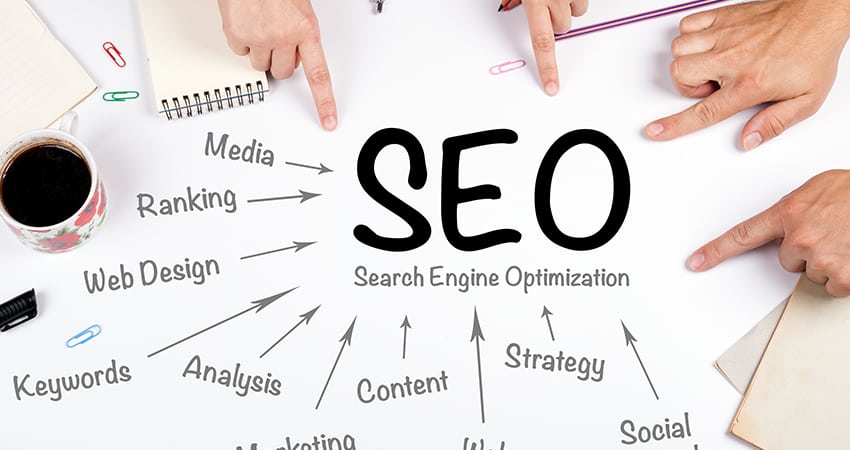
Search engine optimization (SEO) helps websites rank higher in search results, capture free traffic, and reach customers at every stage of the marketing funnel. By aligning content with the searches real users type, businesses can generate leads, sell more ecommerce products, and even capture traffic from television advertisements without paying for each click.
How SEO works
Search engines use algorithms to decide which content is most relevant to a query, and those rankings shift between desktop and mobile devices. The first step toward a high page ranking is earning links from authoritative websites. A link from a site with a higher Authority Score gives your own site’s authority a stronger lift, though links from lower-authority sites still carry some value.
SEO aims to produce reproducible results across search engines and keywords. That means using techniques that hold up under changing algorithms, targeting relevant keywords, updating website content regularly, and building a network of relevant backlinks. Done well, this keeps visitors coming in over the long term.
What SEO does for traffic and revenue
Higher rankings translate directly into more website traffic. With high-value content that matches user searches, a business can engage prospects across the marketing funnel, from first discovery to purchase. Without SEO, companies leave measurable revenue on the table, whether they sell ecommerce products, build a brand, generate leads, or run campaigns that drive search traffic from TV ads.
Unlike paid forms of marketing, SEO can deliver free traffic. Quality content aligned to user searches brings in customers at every stage of the funnel, lifts brand visibility, generates leads, and boosts sales. Optimizing for mobile devices is part of that picture as internet usage on phones keeps growing.
SEO as a marketing channel
SEO is an effective tool for marketing a website. It attracts more customers and increases revenue by lifting online visibility and generating organic traffic. Hundreds of SEO companies operate in the US, and more than a million US businesses use SEO. The UK has thousands more firms performing search engine optimization across different industries, with services sized to different client needs.
Reaching customers across the journey
SEO lets a business show up at every stage of the customer journey. Content that is high-quality and aligned with the right search terms gets a website discovered in search engines, lifts overall brand visibility, and improves lead generation. The first practical step is deciding which keywords matter to your target market, and keyword research is the tool for figuring out how to use them.
Quality traffic means high-quality pages rank on the first page of the SERP. That ranking drives leads, ecommerce sales, and brand visibility, and it can also pick up search traffic triggered by television ads. SEO is not a perfect system, but it is an essential part of search marketing and a reliable path to business goals.
Why SEO matters for the bottom line
SEO increases website traffic by improving visibility, and that traffic feeds the bottom line. Unpaid search traffic is the most important source of sales and revenue for many businesses, often representing the highest-value customers. Making full use of SEO gets a site onto the first page of results and strengthens its overall online presence.
The process can seem complex, but it is critical for any business. Built into a website, SEO puts a brand in front of prospects at every stage of the customer’s journey. High-quality, relevant content that matches user searches engages prospects throughout the marketing funnel, and a high-quality website is required to turn that engagement into results.
FAQ
What is the first step to ranking higher with SEO?
Earn links from authoritative websites. Links from sites with a higher Authority Score do more to boost your site’s authority, though links from lower-authority sites still have some value.
How does SEO help a business make money?
SEO brings in free, targeted traffic by ranking high for relevant searches. That traffic supports ecommerce sales, lead generation, brand visibility, and can capture search traffic from television advertisements.
How widely is SEO used?
Hundreds of SEO companies operate in the US, more than a million US businesses use SEO, and thousands of UK firms perform search engine optimization across multiple industries.
Related coverage