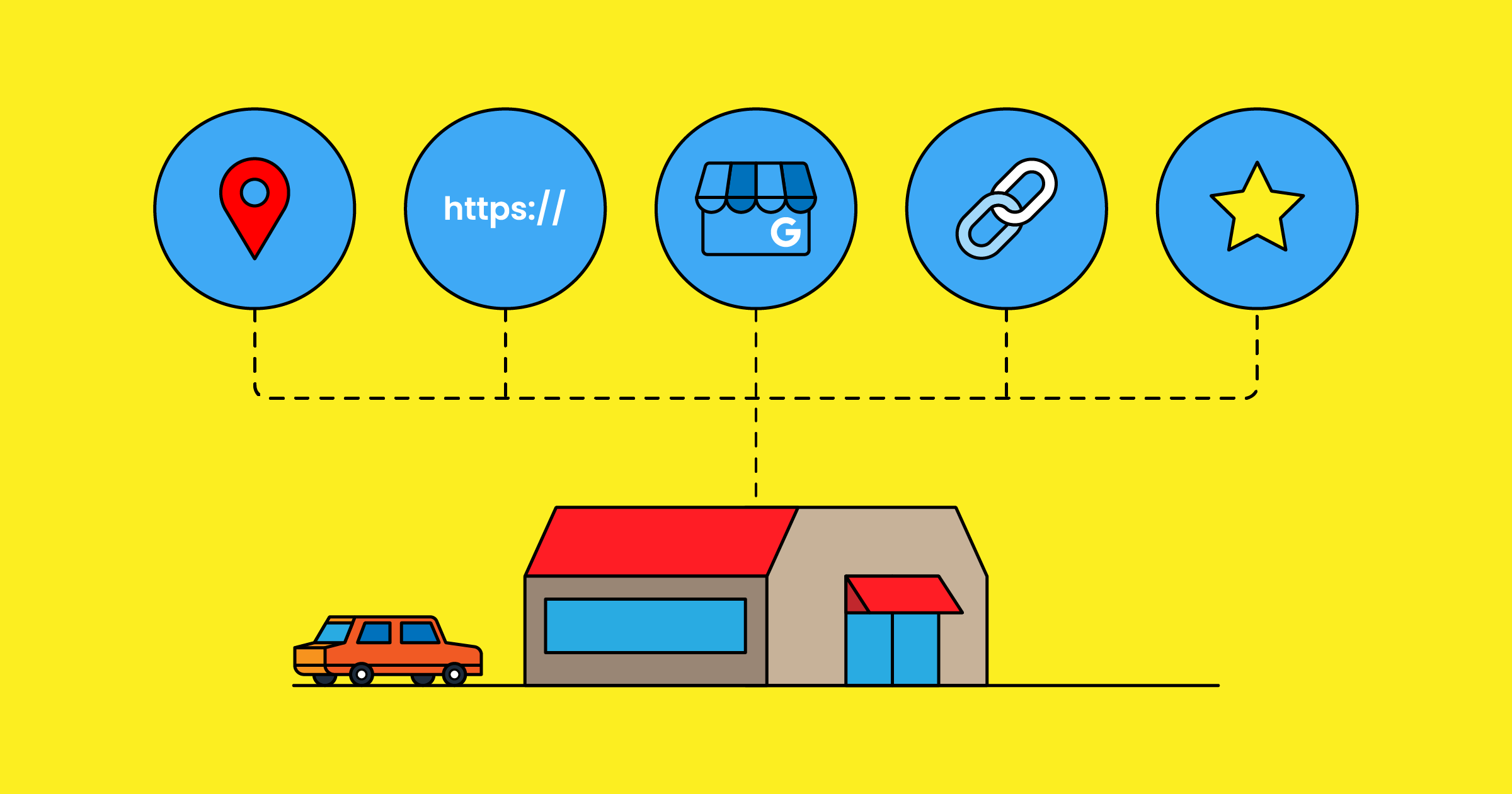
Scaling SEO Local is achievable even for small and medium-sized businesses with limited budgets and internal resources. The core moves are keeping your NAP listings consistent, earning relevant local links, measuring results with free tools, and tailoring your site and strategy to the geography you serve.
Why NAP consistency matters
A consistent NAP (name, address, phone) listing is crucial to local SEO because Google relies on those references to rank your site. For a local business, a clean NAP directly supports higher ranking. Reviews also feed Google’s ranking decisions: 63.3% of customers check Google reviews before visiting a business, so consistent, up-to-date listings are critical. If your current site is generic, hire an SEO consultant to build an effective strategy around it.
Build quality local links
Links from local sites matter more than high domain authority. A church down the street or a local high school are valid link sources because they are relevant to the area you are targeting. Even without strong domain metrics, those local links reach the same audience that is searching for your products or services.
Measure impact with free tools
Free tools make it possible to track SEO Local without a big budget:
- Google Analytics for site traffic.
- Google My Business Insights for calls and direction requests.
- Google Structured Data Testing Tool to verify that your site structure is ready for structured data.
Fold what you learn back into your local SEO strategy to improve your ranking on Google.
Use local sites to signal location and reputation
A local site tells Google where you operate and what your reputation looks like in the area. You can build links on these sites without needing high domain authority. If your website already exists, an SEO consultant can optimize it and design a strategy aimed at the top ranking in your targeted region.
Tailor the strategy to your market
A local SEO plan has to fit the market and its competition, since the goal is to increase visibility in that specific local market. Understanding exactly where your market is located gives you a clearer picture of your target audience and improves your ranking in the results, which is what makes the strategy effective.
Optimize the site for local users
Optimization goes beyond keywords. Adding your address to the site helps visitors and supports local signals, and a locally tuned experience can also attract international customers who are researching your market. For any business with an international customer base, SEO local is essential.
Get keywords and listings right
Optimize for local keywords and their variants by merging each keyword with its location, including variations and plurals. A city packed with businesses will typically have a stronger ranking opportunity than a market that does not. A strong first impression drives more sales and loyalty. Increasing the visibility of your local business also depends on claiming business listings on all major search engines, managing reviews, and engaging on local-centric social media. Adding reviews is a reliable way to boost local SEO, and the priority is matching your site to the type of location you target, whether brick-and-mortar or service area.
David McLaughlin shares his tips and tools for scaling local SEO and reputation management.
Related coverage
- How to Optimize Your Website for Local SEO
- The Ultimate Guide to SEO for Business Owners: Boost Your Online Presence